Visit Our Photo Shop

Wild Earth Conservancy
(For the wildlife that can’t go home again—and for the wildlife with no home left to go to)
Building the First Wildlife Conservation Village in North Carolina
Wild Earth Conservancy is an integrated conservation center bridging wildlife rehabilitation, permanent sanctuary, endangered-species recovery, conservation research, education, and emerging ecological technology into a single, self-sustaining institution.
We aren’t building another shelter. We’re building a Wildlife Conservation Village — a wildlife conservation eco-village model based on adaptive reuse, designed to fund itself through research partnerships, education programs, and limited public access, not ongoing philanthropy alone. Phase 1 begins in North Carolina.
The Blind Spot in Modern Conservation
Every year, thousands of rescued wildlife survive treatment but can’t return to the wild — and are often euthanized simply because no facility exists to hold them for life. That’s just the visible edge of a larger gap: conservation has no integrated institution connecting rehabilitation, permanent sanctuary, species recovery, research, and emerging technology into one system built to sustain them all.
The Wildlife Conservation Village Model
We break the cycle of emergency response by introducing a unified, scalable ecosystem — a Wildlife Conservation Village: a wildlife conservation eco-village model built on adaptive reuse, transforming closed summer camps, retreat centers, or lodges into fully integrated conservation campuses.
Each Wildlife Conservation Village is designed around five interlocking functions:
- Wildlife rehabilitation and permanent sanctuary for animals in need of care
- University research partnerships, hosting graduate students and academic teams conducting on-site field studies
- Conservation education programs, including a seasonal day camp for young people
- Limited, low-impact visitor access, generating recurring revenue without large-scale tourism
- Emerging conservation technology, from monitoring tools to public engagement platforms
Because research partnerships, education programming, and visitor access generate recurring income, our facilities are engineered to sustain lifelong wildlife care without relying solely on outside philanthropy.
Wild Earth Conservancy is a registered 501(c)(3) nonprofit building critical infrastructure connecting wildlife rehabilitation, permanent sanctuary, and the broader conservation institution described above. Our first phase establishes a permanent home for animals referred as non-releasable by licensed rehabilitation facilities, while laying the operational foundation — research agreements, education programming, day camp infrastructure — for everything that follows.
Phase 1: Seed & Feasibility Campaign
Active Target Campaign: $75,000
This seed campaign funds the first phase of a much larger Wildlife Conservation Village — not a standalone sanctuary — establishing the site control, permitting, and infrastructure that will also support university research partnerships, education programs, and a day camp as WEC develops.
To ensure absolute institutional credibility and fiscal accountability, Wild Earth Conservancy (WEC) allocates all seed capital through strict, pre-defined operational lines. This Phase 1 fund is engineered to secure exclusive site control, satisfy state and federal wildlife regulations, and de-risk our target facility footprint before physical animal intake begins.
- Executive Director Operations & Management: $30,000
Allocated for the necessary administrative labor, operational execution, and baseline living stability of our Resident Director during the 12-month facility setup window. - Essential Facility Mobility, Logistics & Transit: $6,000
Covers the direct notes, fuel, commercial insurance, and heavy-haul transit costs of essential facility vehicles required to transport supplies, animal diets, and veterinary assets. - Property Stewardship, Security & Caretaker Utilities: $4,800
Funds the structural security deposits and monthly electricity/well-pump utility usage for the on-site caretaker cabin, ensuring a continuous human presence to prevent site vandalism. - Legal, Compliance & Conservation-Split Contracts: $10,000
Retains specialized North Carolina non-profit land-use counsel to formalize our nominal 99-year, $1/year master ground lease contracts alongside regional land trust partners. - State & Federal Wildlife Permitting / Advisory Fees: $3,000
Covers administrative regulatory filings with the NCWRC, USFWS, and USDA, alongside consulting fees for our advisory veterinary network. - Initial Site Stabilization & “Tiputini Biodiversity Station” Infrastructure: $13,000
Procures initial raw materials for our ultra-low-impact elevated boardwalk connectors, high-durability insect cabin screens, and early-stage medical quarantine enclosures. - Corporate General Liability Insurance Escrow: $8,200
Capitalizes our required multi-tier commercial general liability (CGL) down payments to completely indemnify our land trust holding boards from operational risk.
This phased milestone ensures that every dollar of future capital expenditure is backed by verified land and bulletproof planning.
Phased Development
How Wild Earth Conservancy is Being Built
Wild Earth Conservancy is being built in clearly defined phases as funding, permitting, and operational capacity allow. The first phase establishes the foundation for a much larger Wildlife Conservation Village — one that connects professional wildlife rehabilitation and permanent sanctuary with university research partnerships, education programs including a day camp, endangered-species recovery, and emerging conservation technology.
Every phase is designed to build on the last, allowing WEC to expand responsibly while maintaining professional animal-care standards, ethical stewardship, and long-term environmental sustainability.
Phase One
Establishing the first WEC sanctuary campus to provide lifetime care for select non-releasable animals referred by licensed wildlife rehabilitation facilities, once land, facilities, staffing, and permits are secured. and launch initial research and day camp programming.
Phase Two
Expanding into professional wildlife rehabilitation and release programs, creating the capacity to receive, treat, rehabilitate, and return appropriate native wildlife to the wild while building the clinical and operational systems needed for long-term growth.
Phase Three
Developing endangered-species recovery, conservation research, and education programs in partnership with wildlife professionals, researchers, conservation organizations, and academic institutions.
Phase Four
Establishing WEC as an integrated conservation institution where wildlife care, endangered-species recovery, research, education, and emerging conservation technology operate together to advance practical solutions for wildlife and biodiversity.
What We Do

Conservation Education
We engage communities through education and outreach programs — including a seasonal day camp — that foster respect for wildlife, promote coexistence, and inspire long-term conservation stewardship.
Wildlife Sanctuary
For animals who cannot be returned to the wild, we provide lifelong sanctuary focused on welfare, enrichment, and dignity, allowing them to live safely while contributing to conservation education.
Wildlife Rehabilitation
Wild Earth Conservancy provides professional care for injured, orphaned, and displaced native wildlife, with the goal of recovery and safe release back into their natural habitats whenever possible.
Conservation Research
WEC partners with colleges and universities, hosting graduate researchers and academic field studies on-site. These partnerships advance applied conservation science while providing WEC with a stable, recurring source of institutional support.
Conservation Technology
We explore emerging technologies that can expand what conservationists are able to see, measure, understand, and accomplish—from new approaches to animal monitoring to tools that can bring more people into conservation.
Endangered-Species Recovery
We develop conservation programs focused on threatened and endangered species, including species recovery, managed breeding, population support, and partnerships with researchers and conservation organizations.
About Wild Earth Conservancy

About
Wild Earth Conservancy is being built as an integrated conservation institution connecting professional wildlife rehabilitation, permanent sanctuary, endangered-species recovery, conservation research, education, and emerging conservation technology.
Our goal is to create an organization where these disciplines reinforce one another: where caring for individual animals can inform conservation, research can strengthen species recovery, education can connect people to the work, and new technologies can expand what conservationists are able to accomplish.
WEC is being developed in phases so that each program can be established responsibly, with professional animal-care standards, ethical stewardship, environmental sustainability, and accessibility built into the organization’s growth.
All areas of WEC are fully accessible, ensuring that visitors, students, researchers, and volunteers of all abilities can safely engage with our programs and wildlife. Together, these programs build the foundation for a dedicated, immersive wildlife conservation facility that serves both animals and the communities that surround them.
Proud member of 1% for the Planet and supported by Mighty Cause.
Organizational Standards
- Federally recognized 501(c)(3) nonprofit organization
- Professional wildlife care and welfare standards
- Wildlife rehabilitation and permanent sanctuary
- Endangered-species recovery and conservation research
- Conservation education and emerging technology
- Long-term development of an integrated wildlife conservation institution
Leadership & Conservation Team
Wild Earth Conservancy is being built by wildlife professionals with experience spanning zoological care, wildlife rehabilitation, animal welfare, conservation, operations, and public engagement. As WEC develops, this core team will work alongside researchers, conservation scientists, advisors, institutional partners, and members of the WEC Founding Circle to build the organization’s programs and long-term capacity.
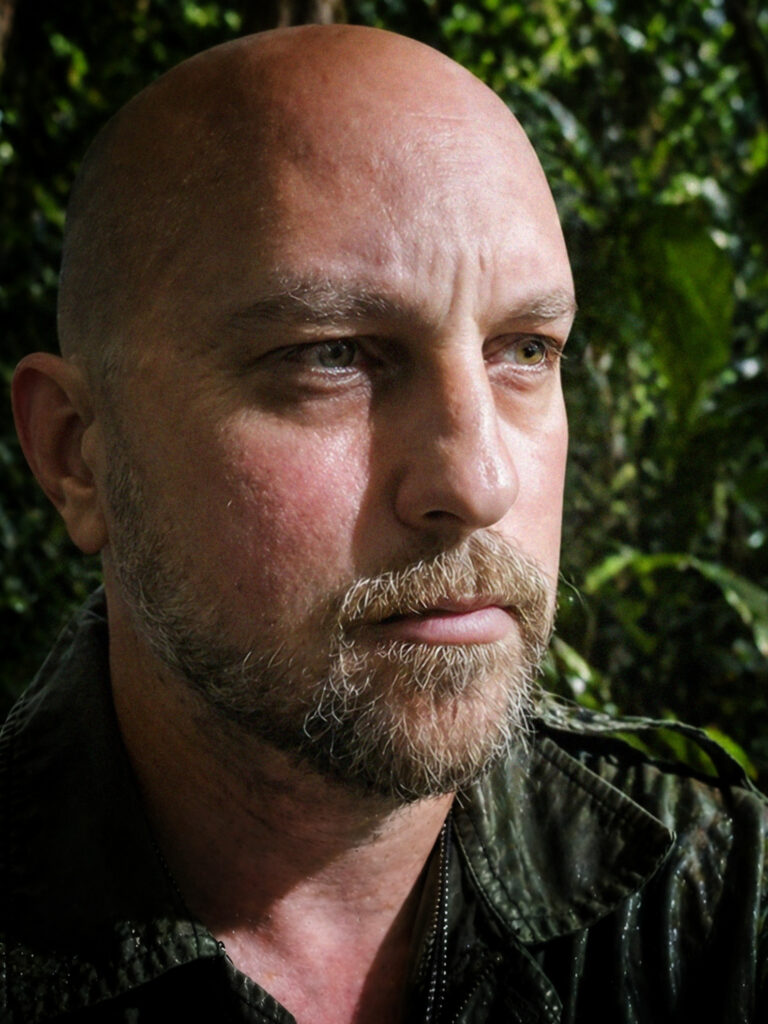
Timothy Mihocik
Founder & Executive Director
Timothy brings over a decade of experience in animal husbandry, wildlife rehabilitation, and zoological care. He has held professional roles at the Toledo Zoo & Aquarium, Lake Erie Nature & Science Center, Kevin P. Clinton Wildlife Center, and Santa Fe Teaching Zoo, providing rehabilitative care, neonatal support, diet preparation, enrichment design, and enclosure construction for a wide range of native mammals, birds, and reptiles.
Timothy has participated in federally coordinated bird banding and monitoring programs with the U.S. Bird Banding Laboratory and the Division of Migratory Bird Management, supporting critical avian conservation research. He holds a bachelor’s degree in behavioral psychology, an associate’s degree in Zoo Animal Technology, and has completed advanced animal care training through the San Diego Zoo Wildlife Alliance Academy. His conservation journalism has been published in National Wildlife Federation Magazine, BBC Wildlife, Mongabay, Earth Island Journal, The Revelator, and Rewilding Magazine.

Seth Hochberg
President
Seth brings over 15 years of zoological and wildlife experience to Wild Earth Conservancy. He is a graduate of the University of West Florida’s Zoo Science program and also studied Zoo Animal Technology at Santa Fe College and Zoology at Broward College. Over the years, he has worked with a wide array of species in roles at Montgomery Zoo, Palm Beach Zoo, Lubee Bat Conservancy, and Jacksonville Zoo, focusing on husbandry, enrichment, and animal behavior.
Through his expertise and lifelong commitment to conservation, Seth helps develop and implement Wild Earth Conservancy’s animal-care standards, rehabilitation programs, and public outreach initiatives. He plays a central role in shaping WEC’s approach to animal welfare and evidence-based wildlife care as the organization develops its long-term conservation programs and facilities.
Steven Herbst
Secretary

With a diverse background spanning over 10 years of zoological care, wildlife handling, and public safety, Steven brings a steady hand and detail-oriented mindset to Wild Earth Conservancy. He began his career working with exotic species at ZooTampa and Santa Fe College, developing expertise in husbandry, diet preparation, and enrichment for a wide range of animals. His experience in security and corrections further strengthened his leadership, organizational, and risk management skills.
Steven now channels this expertise into building safe, efficient, and welfare-focused operations for the Conservancy. He oversees facility management, operational logistics, and program support, helping establish the systems and infrastructure WEC will need as it expands its wildlife care and conservation programs.
Get Involved
Wild Earth Conservancy is in the development phase and is building the people, partnerships, expertise, and infrastructure needed to establish its long-term programs. We welcome support from donors, institutional partners, wildlife professionals, conservationists, volunteers, and individuals who want to help shape what WEC becomes.
We’re also assembling the WEC Founding Circle—a group of people from wildlife conservation and from outside the traditional conservation world who want to help create WEC from the ground up. Founding Circle members will contribute in different ways according to their interests, expertise, connections, and availability.
Join the WEC Founding Circle
Help shape Wild Earth Conservancy from the beginning alongside wildlife professionals, researchers, conservationists, scientists, and other leaders committed to building a new model for wildlife conservation.
Volunteer & Contribute
Support wildlife care, habitat projects, and education efforts by volunteering your time and skills.
Skilled and community volunteer engagement.
Support Our Work
Your tax-deductible donation directly supports animal care, conservation programs, and facility development.
Tax-deductible contributions for program development.
Explore Partnership Opportunities
We collaborate with educators, conservationists, and organizations committed to protecting wildlife and ecosystems.
Strategic collaborations & institutional support.
Partnership Form
Are you a Builder, Investor, or Venture Capitalist?
Wild Earth Conservancy welcomes inquiries from prospective Founding Circle members, donors, institutional partners, conservation professionals, researchers, media, and individuals interested in helping build the organization.
WEC is currently in its development and fundraising phase, building the partnerships, expertise, infrastructure, and support needed to establish an integrated conservation institution connecting wildlife rehabilitation, permanent sanctuary, endangered-species recovery, conservation research, education, and emerging conservation technology.
info@wildearthconservancy.com
Wild Earth Conservancy is a 501(c)(3) nonprofit organization being developed as an integrated conservation institution connecting wildlife rehabilitation, permanent sanctuary, endangered-species recovery, conservation research, education, and emerging conservation technology.
EIN – 39-4685053
© 2025 Wild Earth Conservancy. All rights reserved.